LFP Battery
Batteries that use lithium as their anode material are known as lithium batteries. During discharge, the electric charge flows from the anode to the cathode, and during charging, it moves in the opposite direction—from the cathode back to the anode. These batteries were first introduced in the 1980s and 1990s and have completely transformed the portable electronics market, powering devices such as mobile phones, laptops, and other compact electronic gadgets.
What is a LFP Battery?
Among all types of advanced batteries, lithium-ion batteries (LIBs) have gained the most prominence and have become increasingly vital in recent years. Compared to traditional battery technologies, LIBs offer several clear advantages:
- High energy density
- High discharge power
- Excellent coulombic efficiency
- Long service life
These features make lithium-ion batteries the preferred choice in a wide range of modern applications—from electric vehicles and portable electronics to flexible devices and stationary energy storage systems like Battery Energy Storage Systems (BESS). In short, LIBs have pushed the boundaries of energy technology, making efficient, rechargeable power possible for everything from your phone to large-scale power grids.
Major Components of a LFP Battery
A LFP Battery is made up of several essential components that work together to store and deliver energy efficiently. These include the anode, cathode, separator, electrolyte, and current collectors.
Anode and Cathode:
These are the two electrodes where lithium ions are stored. The anode serves as the negative electrode and the cathode as the positive electrode. During discharge, lithium ions move from the anode to the cathode through the electrolyte, generating electric current. During charging, the ions move in the reverse direction.
Electrolyte:
The electrolyte acts as a medium that allows the movement of lithium ions between the anode and cathode. It’s typically a liquid or gel-like substance designed to be both conductive and stable across different temperatures and charge cycles.
Separator:
The separator is a thin, porous membrane positioned between the anode and cathode. Its purpose is to prevent direct contact between the two electrodes—which could cause a short circuit—while still allowing the passage of lithium ions through its microscopic pores.
Current Collectors:
These are conductive layers, usually made of aluminum (for the cathode) and copper (for the anode). Their function is to collect the electric current generated by the battery and deliver it to the external circuit for use in powering devices.
Download Datasheet

BE A CLIMATE CHANGE CHAMPION
Massive reduction in CO2 emissions. Create cleaner and greener energy.

INCREASED SAVINGS
By going solar, you can reduce your electricity bills drastically.

POWER CUTS ARE HISTORY
Solar panels for your home ensures it’s always lights on as it is dependable and always available.

INVEST SMART
Higher ROI and short payback period.

GOODBYE RISING COSTS
A onetime investment in solar protects you from future rises in power costs.

SOLAR HOMES ARE HIGH VALUE HOMES
Equipping your home with a solar energy system increases the valuation of your property.
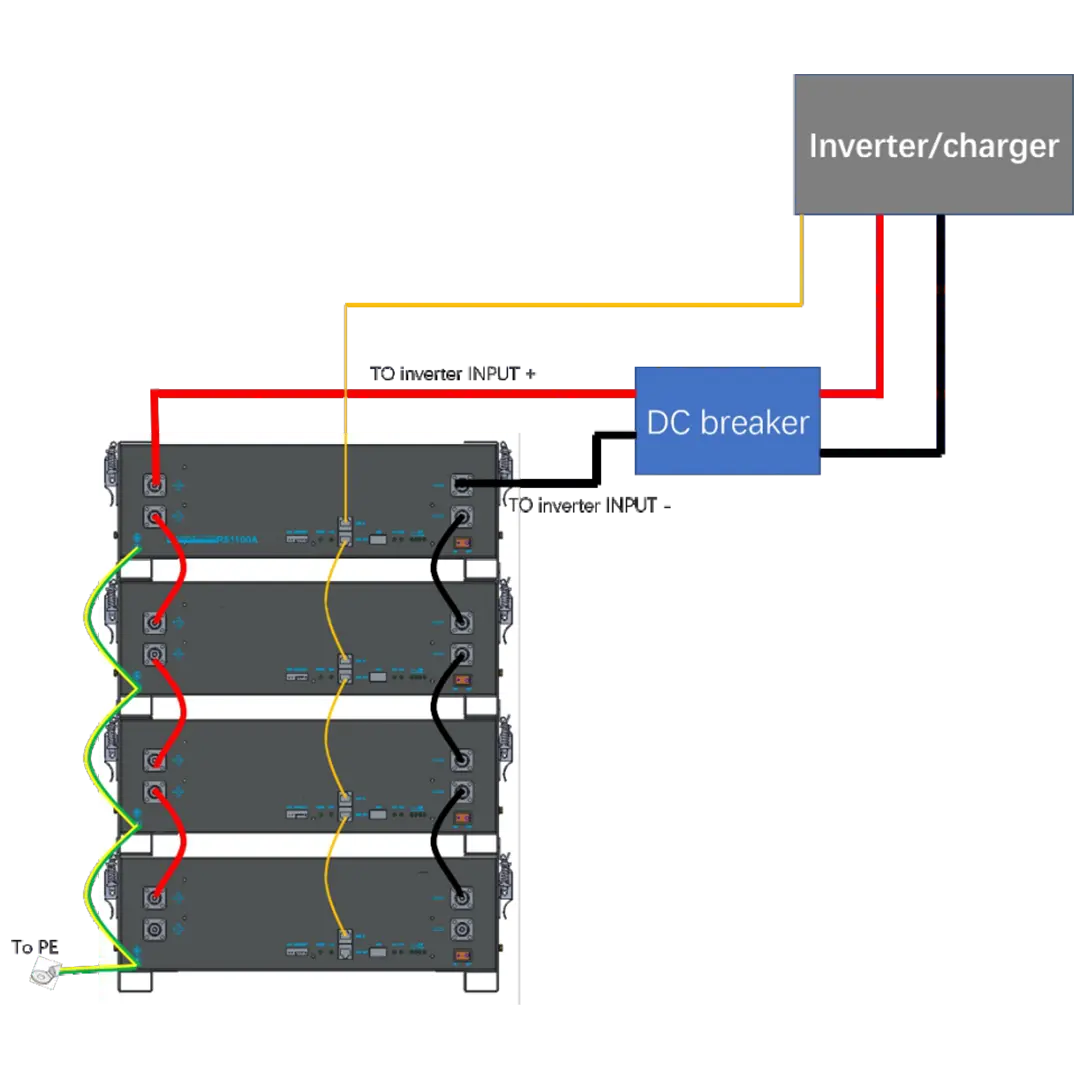
The power output of a battery is determined by the formula P = V × I, where P is power, V is voltage, and I is current. This power can be utilized by connecting a load to the battery—forming what’s known as an external circuit.
- If the connected device operates on DC (direct current), it can use the battery directly.
- For AC (alternating current) devices, an inverter of suitable rating is used to convert the DC power from the battery into AC power.
When a load is connected, the electric current flows from the anode to the cathode—that is, from the positive terminal to the negative terminal. During this process, chemical reactions occur inside the cell that release stored energy as electrical power.
When the battery is being charged, this process reverses: current flows from the cathode back to the anode. The chemical reactions are reversed as well, restoring the battery’s stored energy and preparing it for the next discharge cycle.
How is a LFP Battery Different from a Lead-Acid Battery?
Lead-acid batteries use lead plates and lead oxide immersed in a sulfuric acid solution. They’ve been around for decades and are commonly found in cars, trucks, and other machinery. These batteries are rechargeable, affordable, and reliable, but they come with drawbacks like shorter lifespan, heavier weight, and regular maintenance needs.
On the other hand, lithium batteries use lithium as their active material and are more advanced, efficient, and durable. Although they’re more expensive initially, they offer far greater benefits: they charge faster, last longer, and require almost no maintenance. This makes them a preferred choice for modern applications like electric vehicles and renewable energy storage systems. In short, lithium batteries represent premium technology with higher energy density, better efficiency, and longer service life.
What Are the Uses of Lithium Batteries?
Lithium batteries are increasingly used in modern technologies and renewable energy applications. One major driver of their adoption is solar energy. Solar panels produce power during the day, but energy demand continues at night. Lithium batteries act as storage systems, holding excess daytime energy for nighttime use—making solar systems self-reliant and efficient without depending on the grid.
You’ll now find lithium batteries used in:
- Pharmacies
- Offices
- Showrooms
- Shops
- Homes
- Streetlights
- DIY projects
- Agricultural setups
- Crossing lights
Advantages of Lithium Batteries Over Older Technologies
Lightweight and Portable
Lithium batteries are significantly lighter than lead-acid ones—about one-fourth the weight. This makes them easier to carry, install, and use in portable devices without worrying about acid leaks or spillage.
Fast Charging
A LFP Battery can reach full charge within 2 hours, while a lead-acid battery may take up to 10 hours. The faster charging capability means less downtime and more convenience for solar and electric vehicle systems.
Maintenance-Free
Unlike older rechargeable batteries such as nickel-cadmium, lithium batteries don’t require periodic discharge or maintenance. They don’t experience the memory effect and can be recharged anytime without losing capacity.
High Efficiency
These batteries deliver consistent, long-lasting power with higher energy density, making them ideal for demanding devices like mobile phones, laptops, and electric cars.
Long Cycle Life
Lithium batteries can last for more than 2,000 charge-discharge cycles, giving them an average lifespan of over ten years—nearly double that of traditional batteries.
Top LFP Battery Manufacturers (2024)
Global LFP Battery production is led by major manufacturers that have transformed the power storage industry. Their batteries are used in solar power systems, medical devices, electric vehicles, mobile phones, and industrial backup setups. These companies continue to innovate, producing batteries with higher energy density, longer lifespan, and lower costs—driving the future of clean and portable energy solutions.
Disadvantages of Lithium Batteries
Despite their many strengths, lithium batteries do come with a few limitations that are worth noting:
High Cost
The cost of lithium batteries remains higher than that of nickel-cadmium or lead-acid types. However, as manufacturing scales and technology improves, the prices are gradually coming down.
Inverter Compatibility
Currently, most lithium batteries are designed for DC and automotive applications. Their compatibility with standard home inverters is limited, though this is improving with newer hybrid systems entering the market.
How Much Does a LFP Battery Cost?
In recent years, LFP Battery prices have dropped by around 60–70%, and this decline is expected to continue as production expands worldwide. Nearly 73% of the world’s LFP Battery supply currently comes from China, while countries like the UK are setting up large-scale gigafactories to meet future demand.
In India, importing from China remains cost-effective, though local manufacturers are gradually focusing on quality and capacity. As economies of scale improve and innovation continues, lithium batteries are becoming more affordable each year.
How Prices Vary by Technology Type
There are three main LFP Battery types used today, each with its own advantages and applications:
- Lithium-Ion: The most common and widely used type, ideal for electronics and electric vehicles.
- Lithium Phosphate (LiFePO₄): Known for safety and stability, preferred for solar and energy storage systems.
- Lithium Polymer: The most advanced technology, offering flexible shapes, light weight, and higher energy density.
Estimated Price Range in India (2024):
| Battery Type | Minimum Price | Maximum Price |
|---|---|---|
| Lithium-Ion | ₹ 2,250 per piece | ₹ 15,000 per piece |
| Lithium Phosphate | ₹ 3,750 per piece | ₹ 25,000 per piece |
| Lithium Polymer | ₹ 7,500 per piece | ₹ 50,000 per piece |
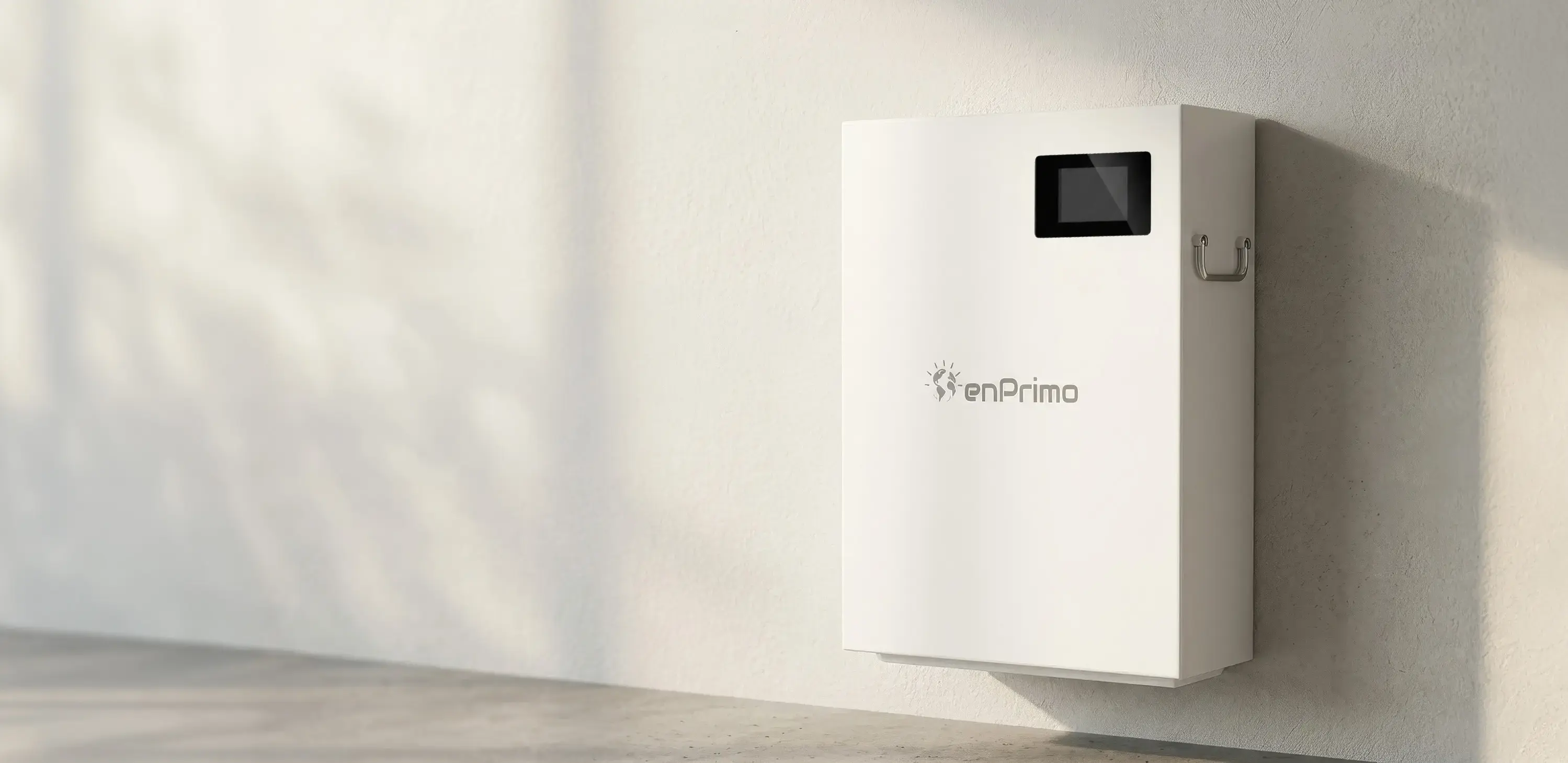
enPrimo Wall Mounted Residential Lithium Battery
The ENP10051-WME-LV is a wall-mounted residential lithium battery designed for an Energy Storage System (ESS) applications. It is equipped with LiFePO, technology and an integrated LCD display, it ensures safe, efficient performance with real-time monitoring
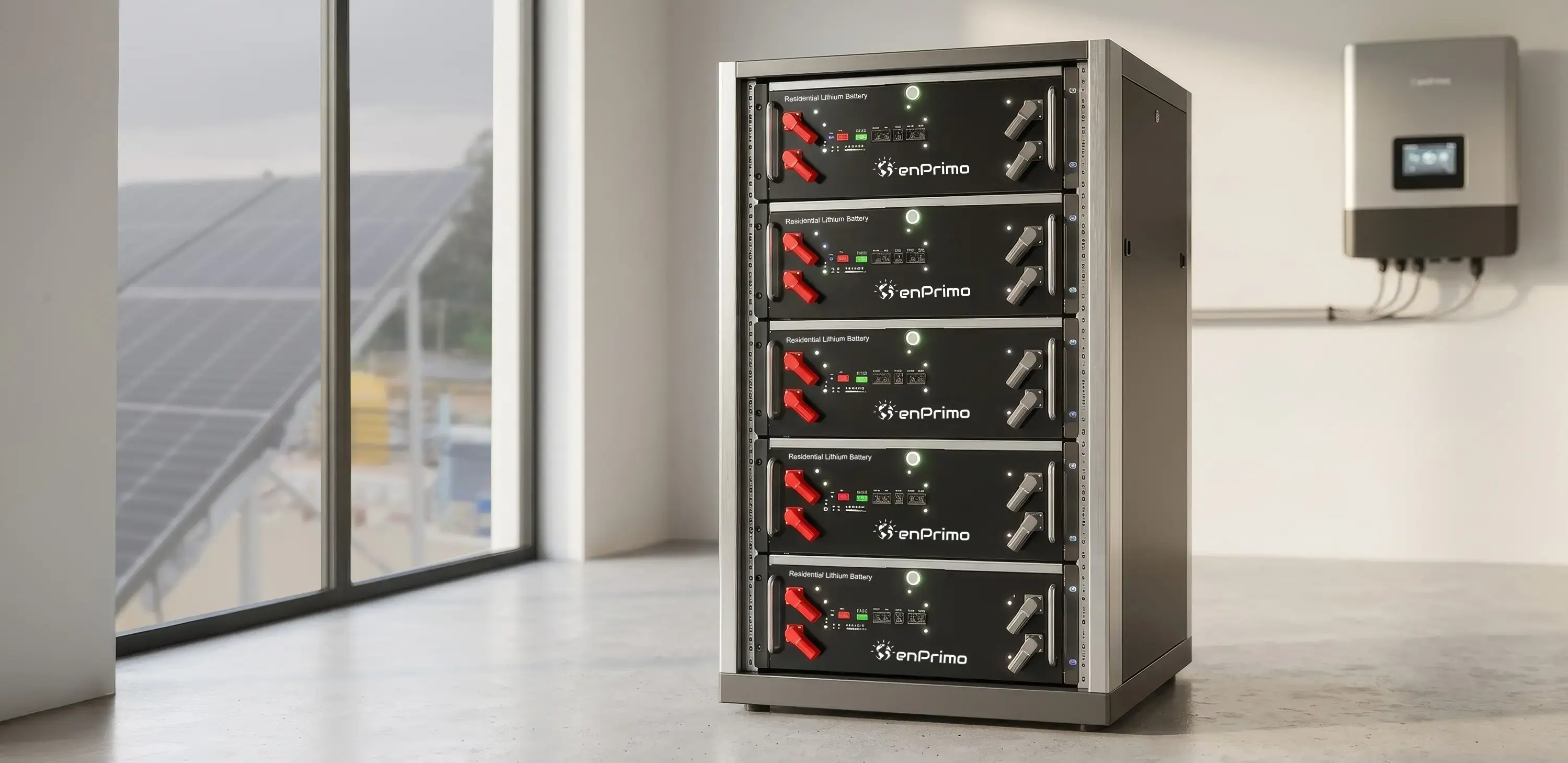
enPrimo Stack Mount Residential Lithium Battery
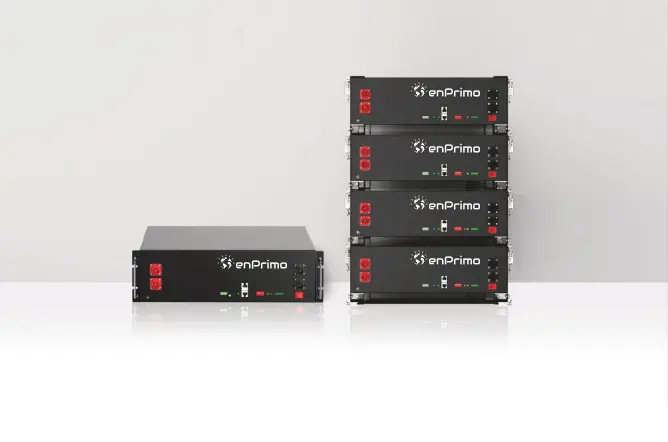
The ENP10051-RME-LV is a stack-mount residential lithium battery designed for an Energy Storage System (ESS) applications. It is equipped with LiFePO, technology and LED indicators, ensuring safe, efficient performance with real-time monitoring.
Call Us
Office Time
- Monday - Saturday
- 09:30 AM – 06:00 PM
Quick Contact
- Email: info@enPossibilities.com